
From Acquisition to Exit: Understanding the Investment Lifecycle
Every real estate investment moves through a defined lifecycle, and understanding each stage helps investors know what to expect — and what questions to ask — at any given point in a hold period.
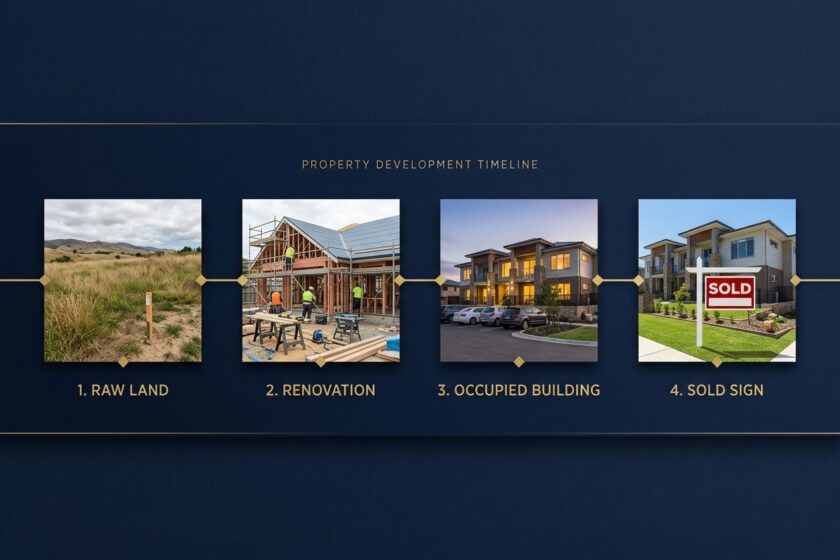
The acquisition stage is where the investment thesis is set: sourcing, underwriting, due diligence, and closing. Everything that follows is measured against the plan established here, which is why disciplined underwriting at this stage matters more than almost any other decision in the lifecycle. The stabilization stage follows for value-add assets — executing renovations, re-leasing units, and implementing operational improvements designed to bring the property to its target performance level.
Once stabilized, an asset enters its hold period, where the focus shifts to operational execution: maintaining occupancy, managing expenses, and monitoring market conditions relevant to eventual exit timing. This is typically the longest phase of the lifecycle and where consistent, transparent reporting to investors matters most.
The exit stage is the culmination — evaluating market conditions, positioning the asset for sale or refinance, and executing a disposition strategy designed to maximize returns for the hold period. Good exit planning actually starts well before the exit itself, informed by ongoing market monitoring rather than a last-minute decision. At Steve Ford, every investment is managed with this full lifecycle in mind from day one, not just the acquisition that gets an investor’s attention initially.