
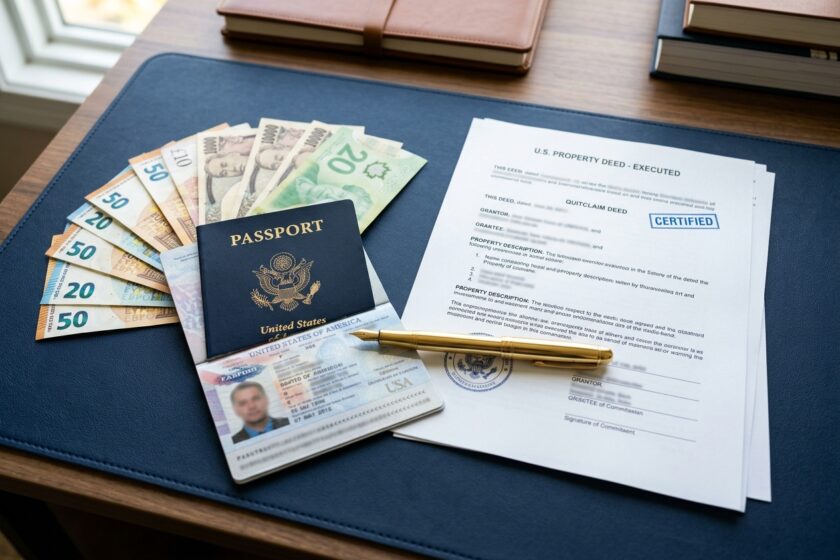
FIRPTA Explained: What Foreign Investors Must Know Before Buying U.S. Property
The Foreign Investment in Real Property Tax Act, better known as FIRPTA, is one of the first things any non-U.S. investor needs to understand before purchasing American real estate — and one of the most common sources of confusion. In simple terms, FIRPTA requires a buyer to withhold a percentage of the sale price (typically 15%) when purchasing property from a foreign seller, and to remit that withholding to the IRS. The rule exists to ensure foreign sellers pay any U.S. capital gains tax they owe.
For foreign investors buying property, FIRPTA is generally not a direct cost it applies to you as a seller down the road, not as a buyer today. But it has real implications for how you plan your eventual exit, and it is exactly the kind of detail that catches first-time international investors off guard when it is time to sell.
Beyond FIRPTA itself, foreign investors should also think early about how they hold title directly as an individual, through a U.S. LLC, or through a foreign entity because that structuring decision affects everything from liability exposure to estate tax treatment to how smoothly a future sale will go. There is no single right answer; the best structure depends on your home country, your broader estate planning, and your investment horizon.
This is precisely the kind of planning our Corporate World Division was built to handle. Every international investor working with Steve Ford is connected with tax and structuring guidance before closing, so FIRPTA and related compliance requirements are addressed proactively rather than discovered as a surprise at your eventual sale.