
Why Atlanta Remains a Top-5 Market for Real Estate Investment in 2026
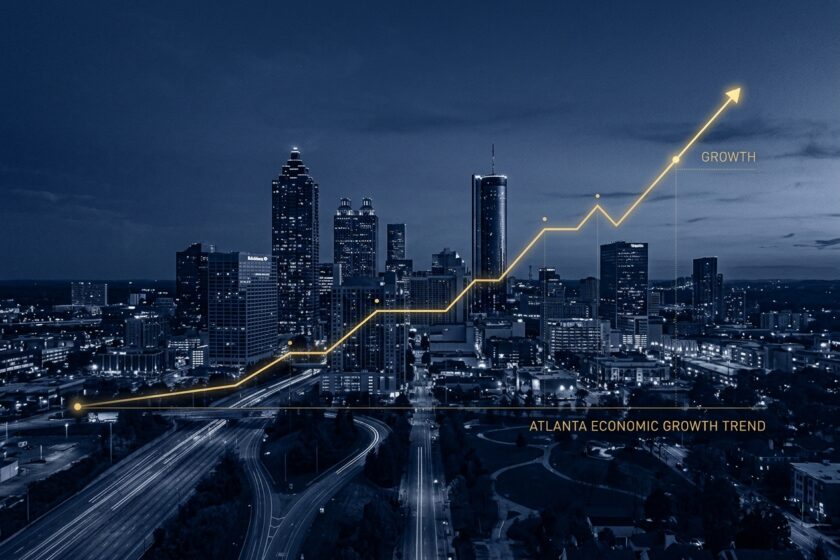
Atlanta has spent the last decade quietly becoming one of the most compelling real estate markets in the United States, and 2026 is no exception. The metro continues to rank among the top five destinations in the country for domestic in-migration, driven by a combination of relative affordability, a business-friendly tax environment, and a job market that keeps expanding well beyond its traditional logistics and film-production roots into technology, finance, and healthcare.
For investors, population growth is the leading indicator that matters most. Every net-new household arriving in the metro needs a place to live, and Atlanta’s housing supply — particularly in the workforce and mid-market segments — has not kept pace with demand. That imbalance is exactly the kind of structural tailwind that supports rent growth and asset appreciation over a multi-year hold period.
Infrastructure investment tells a similar story. Continued expansion around Hartsfield-Jackson, the buildout of the Beltline corridor, and sustained corporate relocations into Midtown and the northern suburbs are all reinforcing submarkets that were considered secondary just a few years ago. At Steve Ford, our acquisition team tracks these shifts closely, because the neighborhoods benefiting most from infrastructure spend today are often the ones producing the strongest returns three to five years from now.
None of this means every deal in Atlanta is a good deal. Submarket selection, entry price discipline, and realistic underwriting still separate outperforming investments from mediocre ones. But as a macro backdrop, Atlanta continues to offer investors a rare combination: the growth profile of a Sun Belt boomtown with the depth and liquidity of an established, diversified metro economy.