
Commercial Real Estate Outlook: Retail, Industrial, and Storage Demand
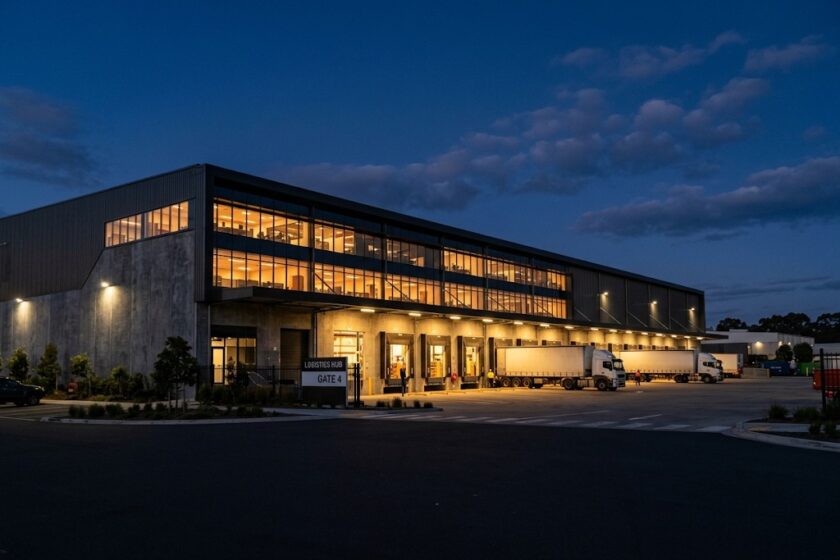
Commercial real estate is not one market, it is several, and each is telling a different story heading into the back half of the decade. Industrial and logistics space has been one of the strongest-performing asset classes in recent years, driven by e-commerce fulfillment needs and companies reshoring supply chains closer to end consumers, and well-located industrial product in Atlanta continues to see healthy absorption.
Retail has undergone its own transformation. After years of oversupply concerns tied to e-commerce, well-located neighborhood and grocery-anchored retail has proven remarkably resilient, benefiting from population growth in the same submarkets driving residential demand. The retail properties struggling today tend to be those in poor locations or outdated formats, not the asset class as a whole.
Self-storage, once considered a secondary asset class, has matured into a genuine institutional strategy. Population growth, smaller average home sizes in new construction, and life-transition demand (moving, downsizing, business use) continue to support steady occupancy and rent growth, often with lower operating complexity than other commercial product types.
For investors evaluating commercial opportunities, the key is matching asset class to conviction: industrial for those betting on continued logistics and supply-chain demand, retail for those seeking cash-flowing assets tied to rooftop growth, and storage for those wanting lower-management, recession-resilient income. Steve Ford’s Commercial Investment Division actively sources across all three, guided by underwriting discipline rather than chasing whichever category is generating the most headlines.