
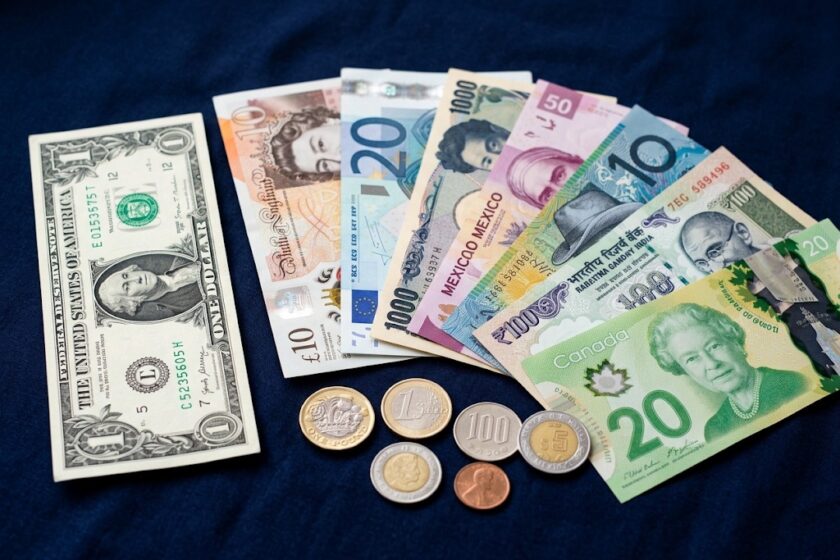
How Currency Fluctuations Affect Cross-Border Real Estate Investment
For any investor moving capital across borders, currency exposure is a variable that deserves as much attention as the real estate itself. When an investor converts home-currency capital into U.S. dollars to make an acquisition, the exchange rate at that moment effectively sets a cost basis that will matter again — in reverse — whenever that capital, or its returns, is eventually converted back.
This cuts both ways. An investor who converts capital when their home currency is relatively strong against the dollar effectively acquires more U.S. real estate for the same amount of home-currency wealth. Conversely, currency movements during the hold period, and again at exit, can either amplify or erode the U.S.-dollar-denominated return once it is translated back into the investor’s home currency.
Sophisticated international investors generally address this in one of two ways: by accepting the currency exposure as part of a broader diversification strategy (effectively treating dollar-denominated assets as a hedge against home-currency volatility), or by using hedging instruments to lock in specific exchange rates for planned capital movements. The right approach depends heavily on the investor’s home country, time horizon, and broader financial picture.
While Steve Ford does not provide currency hedging services directly, our Corporate World division works with international investors to think through the timing and structure of capital movement, and can coordinate with an investor’s existing banking and advisory relationships to help sequence transfers thoughtfully rather than reactively.